
People give to organizations they recognize and trust. Your brand is how they come to recognize you and what they expect when they do. For nonprofits, branding is not about looking expensive. It is about being clear: who you are, what you do, why it matters and why someone should act now. This guide explains why branding matters for a mission-driven organization and how to build a brand your staff, board and volunteers can actually use.
In short: Nonprofit branding is the combination of strategy, messaging and visual identity that shapes how people understand and feel about your organization. A strong brand builds trust, makes fundraising and recruitment easier and keeps communications consistent. Build it by defining your positioning and messages first, then the visual identity, then the guidelines and templates people use every day.
What nonprofit branding is
A brand is more than a logo. It is the sum of what people think and feel when they hear your name. Branding is the work of shaping that impression on purpose, and a complete nonprofit brand works on three layers at once.
The first is brand strategy: your mission, vision, values, audiences and positioning, meaning what makes you different from similar organizations. On top of that sits messaging, which covers a short description of what you do, key messages for each audience, a tagline if one helps and a consistent voice. The third layer, visual identity, is the logo, colors, typography, photography style, graphic elements and layouts. The visual layer is what people see. The strategy and messaging layers are what make it mean something.
Why branding builds trust
Donors, funders and partners judge credibility quickly, often from a website, an email or an event invitation. Consistent, professional communication signals that an organization is stable and well run. Inconsistent materials, such as three versions of a logo or a website that does not match the annual report, raise doubts even when the work itself is excellent.
Research supports a broader view of brand. In “The Role of Brand in the Nonprofit Sector,” published in the Stanford Social Innovation Review in 2012, Nathalie Kylander and Christopher Stone describe the Nonprofit Brand IDEA framework, based on an 18-month research project with colleagues at Harvard’s Hauser Center. It stands for four principles:
- Integrity means your internal identity and external image align with each other and with the mission.
- Democracy means staff, volunteers and members are trusted to communicate the core identity in their own words.
- Ethics means the brand and the way you use it reflect your values.
- Affinity means the brand works well alongside partners and shares credit generously.
The takeaway: a nonprofit brand works best when it reflects who you really are and helps people inside the organization tell the same story.
How branding helps fundraising
Picture a year-end appeal. A supporter spots your envelope in a stack of mail, or your subject line in a crowded inbox, because the look is familiar. The letter opens with the same one-line description of your work she heard at the spring event, so the ask is easy to understand. When she clicks through, the website, the email and the social post she saw last week all reinforce each other instead of competing. That recognition and clarity are what a brand buys you at the moment of giving.
The benefits also show up inside the office. Templates and guidelines save staff time on every campaign, because nobody starts from a blank page. And board members and volunteers are far more willing to share materials they are proud of, which quietly extends the reach of every appeal.
Parts of a nonprofit brand
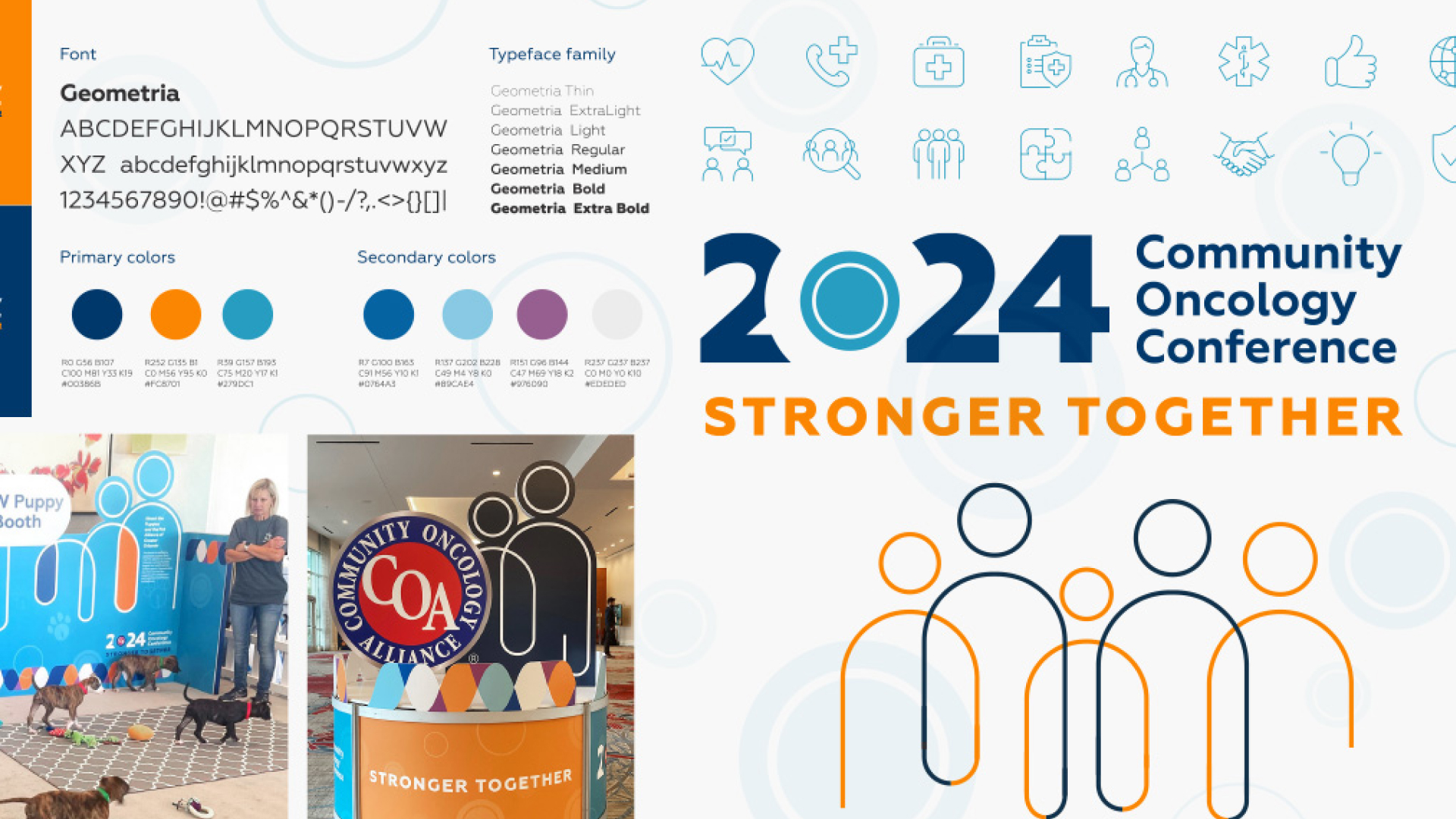
Use this as a checklist of brand assets. Smaller organizations can start with the first six.
- Positioning statement
- Short and long organizational descriptions
- Key messages by audience
- Logo in full-color, one-color and reversed versions, plus a compact mark
- Color palette with accessible contrast combinations
- Typography for print and web
- Photography and illustration guidelines, including consent and dignity standards
- Icon set and graphic elements
- Voice and tone guidelines
- Templates: letterhead, presentations, social graphics, reports, email, signage
How to build your brand
The order matters more than the speed. Strategy comes before design, and the people who will use the brand should hear about it before the public does.
- Listen first. Interview board members, staff, donors, program participants and partners. Ask how they describe you and what they would change.
- Review the landscape. Look at peer organizations and funders’ priorities. Note where you sound the same as everyone else.
- Define your strategy. Agree on mission, values, audiences and a positioning statement. Get leadership sign-off before any design begins.
- Write the messaging. Draft the short description, key messages and voice. Test them in real conversations.
- Design the identity. Explore a few distinct visual directions, then refine one. Test it on real items, such as a donation page, social post, event banner and report cover, not just on a blank page.
- Document it. Create brand guidelines and templates.
- Launch inside first. Brief staff and board before the public launch, so the people who represent you can explain the change.
- Roll it out in phases. Start with the website, email and social, then print and signage as stock runs out.
Brand guidelines and templates
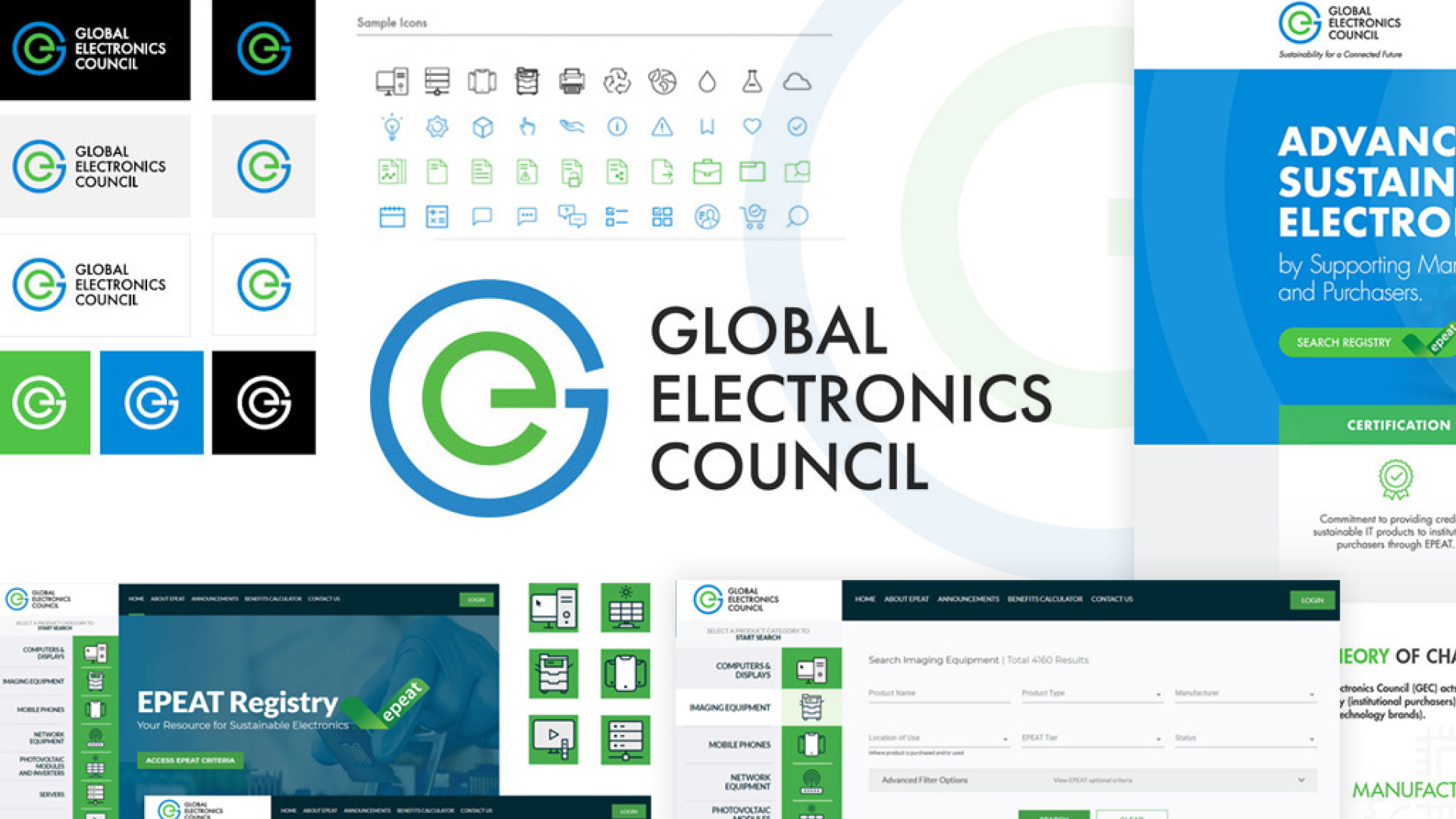
Guidelines turn a brand into a daily habit. Keep them short, visual and practical. Show correct and incorrect logo use, approved color combinations, type hierarchy and sample layouts. Then give people templates for the items they create most often. Templates usually do more to prevent drift than rules alone.
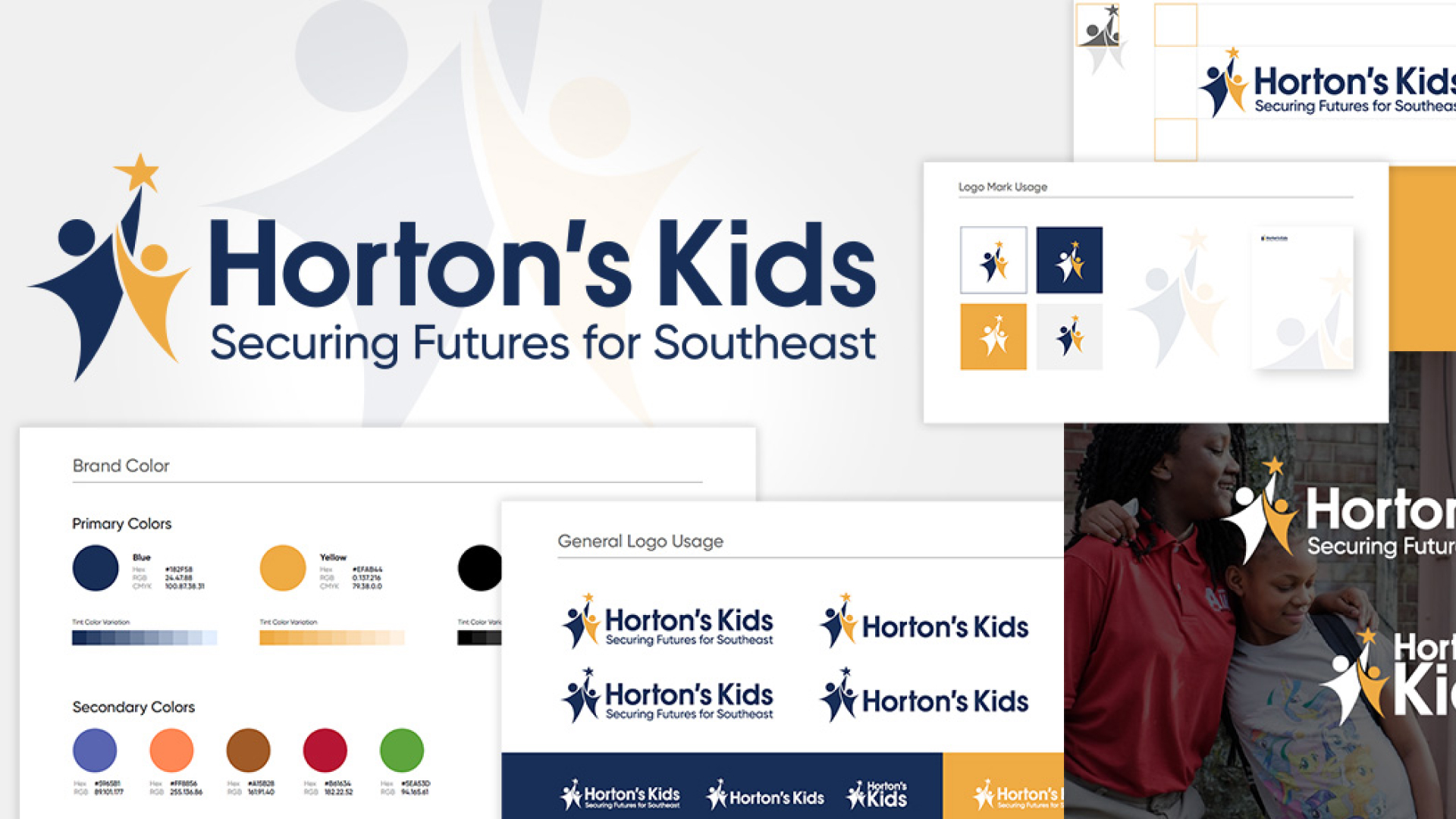
LightMix took this approach with Horton’s Kids, a nonprofit that provides academic, youth development and wellness programs for young people. The project refreshed the logo while keeping its connection to the organization’s roots, and included basic brand guidelines plus PowerPoint and digital templates for internal and external use.
Keep the brand consistent
Brands rarely fall apart all at once. They drift: a volunteer pulls an old logo from a search result, a chapter makes its own flyer, an event vendor guesses at your colors. The fix is mostly ownership. Name a brand owner who answers questions and approves new materials, and keep logos, templates and photos in one shared, well-organized folder so the right file is always the easiest one to find.
Brief partners, chapters, event vendors and volunteers on the essentials before they need them, not after. Once a year, review what is in circulation and retire outdated versions. When a campaign or event needs its own look, extend the brand carefully rather than starting over; our guide to nonprofit event branding covers how. Your annual report and videos are two of the most visible places the brand appears, so plan them with the brand in mind.
Brand refresh or rebrand?
A refresh updates the look and tightens messaging while keeping recognizable elements. It suits organizations whose mission and reputation are sound but whose materials feel dated or inconsistent. A rebrand rethinks positioning, often with a new name or logo. It suits mergers, a major change in mission or a name that no longer fits. If you are weighing a full rebrand, our article on rebranding a nonprofit organization walks through the key steps.
Nonprofit Branding FAQ
What is nonprofit branding?
Nonprofit branding is the strategy, messaging and visual identity that shape how people understand and feel about your organization. It includes your positioning, key messages, voice, logo, colors, typography, imagery and the templates your team uses.
Why is branding important for nonprofits?
A clear, consistent brand builds trust with donors, funders and partners, makes appeals easier to recognize and understand, keeps communications consistent across channels and saves staff time through guidelines and templates.
How much does nonprofit branding cost?
Cost depends on scope. A logo refresh with basic guidelines costs less than a full brand strategy with research, messaging, a new identity, extensive guidelines and templates. Define the deliverables first, then compare proposals on the same scope.
How long does a nonprofit branding project take?
Timelines depend on research, the number of stakeholders and how quickly decisions are made. Board and leadership approvals often take the most time, so build review dates into the plan from the start.
When should a nonprofit rebrand?
Consider a rebrand after a merger, a major change in mission or programs, a name that causes confusion, or when your brand no longer reflects who you serve. If the mission is unchanged and materials just look dated, a brand refresh is usually enough.
Small teams can do much of the listening and messaging work themselves. A design partner is most useful for turning that strategy into a distinctive identity, guidelines and templates that hold up across print, web, video and events. LightMix provides branding and identity design as part of its work with nonprofits.