
An event is your brand in three dimensions. For a few hours or days, guests experience your mission through invitations, the room, the stage, the screens and the people they meet. Strong event branding makes all of that feel like one experience, helps guests find their way and gives sponsors a clear place to be seen. This guide covers how to create an event identity and apply it to every touchpoint, from the save-the-date to the thank-you email.
Nonprofit event branding is the visual and verbal identity created for a specific gala, conference or fundraiser, applied consistently across every touchpoint. Start with the event’s goal and audience, decide how closely it ties to your main brand, build a simple identity kit, and plan each item from invitations to signage and follow-up.
What event branding includes
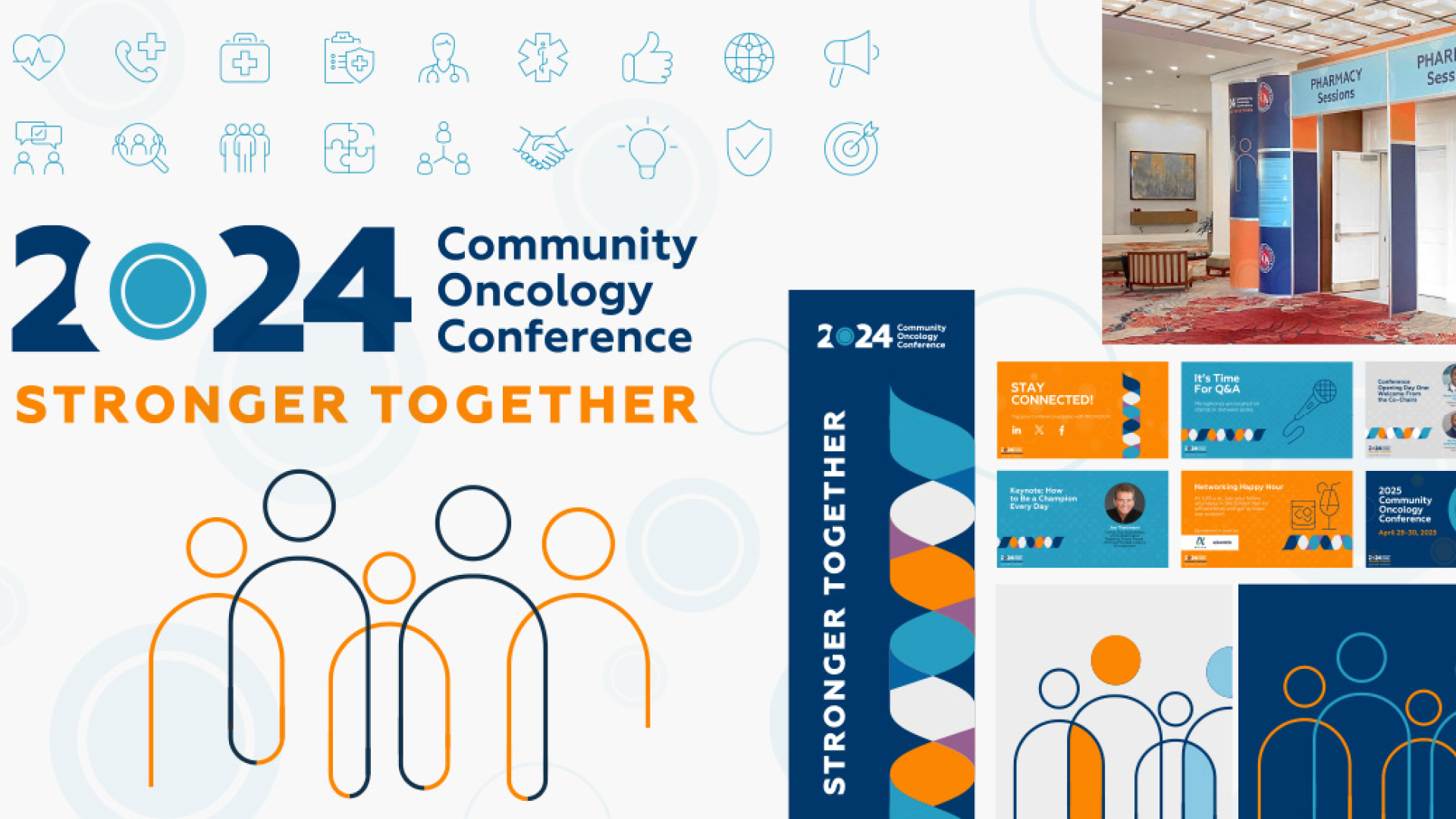
Event branding starts with a clear name, plus an optional annual theme or tagline. Around it you build an event identity, meaning a logo or wordmark, colors, type, graphic elements and a photo style, and the messaging that goes with it: a one-line description, key messages and a consistent call to action.
The part most teams skip is what makes the rest usable. Templates give staff and vendors ready files for print, digital and screens, and a short set of guidelines tells staff, volunteers, sponsors and venue partners how to use them without calling you every time.
Event brand vs. your brand
Decide early how the event relates to your organizational brand. There are three common approaches.
The simplest is an event branded by the organization: it uses your main logo and identity with a simple event title, which works best for smaller events or a first-year event. A signature annual gala or conference often earns an endorsed event brand, with its own look and name and your logo shown clearly as the host. Rarely, an event becomes a stand-alone brand with your organization in a smaller role; that tends to suit only long-running events with their own audience.
Most nonprofits do best with the first or second approach, since the goal is usually to strengthen the organization, not to create a competing name. Your nonprofit branding guidelines should set the rules for how far an event can depart from the core identity.
Build the event identity
- Set the goal. Fundraising, member engagement, education or recognition. The goal shapes tone and priorities.
- Know the audience. Major donors at a gala expect something different from professionals at a three-day conference.
- Choose a concept. A theme or idea that links the event to your mission or the year’s focus.
- Design a small kit. A wordmark, a limited palette, two typefaces and one or two graphic elements that scale from a phone screen to a stage backdrop.
- Test it at extremes. Try it on a tiny social avatar, a name badge, a large banner and a dark stage screen.
- Write the guidelines. One or two pages that vendors and volunteers can follow.

Event branding checklist
Before the event
- Save-the-date and invitation (print and email)
- Event website or registration page
- Email header and footer templates
- Social graphics, profile frames and a hashtag
- Sponsor prospectus and sponsor logo guidelines
- Press release and media kit
At the venue
- Entrance and registration signage
- Wayfinding signs and a room or floor map
- Step-and-repeat or photo backdrop
- Stage backdrop, podium sign and screen graphics
- Name badges, lanyards and table numbers
- Printed program or agenda
- Sponsor recognition displays
- Exhibit booth graphics for conferences
After the event
Plan the follow-up pieces with everything else: the thank-you email and social posts, a photo gallery and recap video, and a results summary for sponsors and the board.
Signage that works
Imagine a guest walking in from a dark parking lot, coat over one arm, looking for registration. That is the test for every sign. Design for distance, with large type, short words and strong contrast; if guests cannot read it while walking, it is too small. Put wayfinding first, so registration, restrooms, sessions and exits come before decoration. And think about lighting, because ballrooms are often dim. Test screen graphics and signs in similar light before the event.
Sponsor logos need order too: consistent tiers and sizes, and a high-resolution file for every one. To save money next year, leave dates off evergreen signs, such as directional signs and pull-up banners. Above all, confirm specs early. Venues and printers have size, material and installation requirements, and you want them before design starts, not after the files are final.

Galas and fundraisers
At a fundraising event, every design choice should support the ask. Make the mission visible from the moment guests sit down, with real photos and short stories on the screens and tables, and a strong opening mission video to set the tone before the program begins.
When the paddle raise or fund-a-need moment arrives, clear screen graphics should show the goal and the progress toward it, so the room can watch the number climb. Put a short giving link or QR code on table cards and screens, with a mobile-friendly donation page behind it. Keep printed programs short; guests will not read long text in a dark room.

Conferences and summits
Conferences run longer and involve many more materials, so systems matter more than single pieces. Templates for speaker slides, session signs and the agenda keep dozens of contributors on brand. Color-code tracks or session types the same way across print, the app and the signs, and design the event app or web agenda to match the printed one so attendees never have to translate between them.
Exhibitors and sponsors need a clear brand kit of their own. If your organization exhibits, plan booth graphics, banners and handouts together rather than piece by piece.
LightMix supported AHIMA World Congress, the international arm of AHIMA, with event branding and design, video, print, and signs and displays, alongside website and marketing work.
Virtual and hybrid event branding
For online audiences, the screen is the venue. Branded title cards, lower thirds, transitions and speaker frames do the work that stage backdrops do in a ballroom, and speakers need virtual backgrounds and slide templates so every session looks like part of the same event. Caption live sessions and recordings so everyone can follow, and make the registration and streaming pages accessible and easy to use on phones. Remote guests should also get a digital program and a clear way to give or engage, so they feel like attendees rather than viewers.
Follow-up after the event
The event brand keeps working after the lights go down. Send a branded thank-you within a few days, share photos and a short recap video, report results to sponsors and attendees, and save every final file in one place. A tidy archive makes next year’s event faster and more consistent. Highlights from the event can also feed your annual report.
Event Branding FAQ
What is nonprofit event branding?
Nonprofit event branding is the visual and verbal identity created for a specific gala, conference or fundraiser, including its name, theme, logo or wordmark, colors, messaging and templates, applied consistently across every event touchpoint.
Should an event have its own logo?
Signature annual events often benefit from their own wordmark, as long as your organization’s logo appears clearly as the host. Smaller or first-year events usually work best with your main brand and a simple event title.
When should we start designing event materials?
Start as soon as the date, venue and goal are set. Save-the-dates, sponsor materials and the registration page are needed first, and venue signage needs time for printing and installation.
What printed materials does a gala need?
Typical gala print includes invitations, a program, table numbers, place cards, entrance and directional signs, a photo backdrop, sponsor recognition displays and giving cards with a QR code or short link.
How do we keep event branding consistent across vendors?
Give every vendor the same short guidelines and file kit with logos, colors, fonts, templates and sponsor logos. Name one person to approve all materials before anything is printed or published.
Smaller events can be branded in house with a solid template kit. For large galas and conferences with dozens of pieces, a design partner that handles print, signage, screens and video together keeps everything consistent and on schedule. LightMix, a design agency in Vienna, Virginia, offers event design and branding as part of its broader work with nonprofits.